
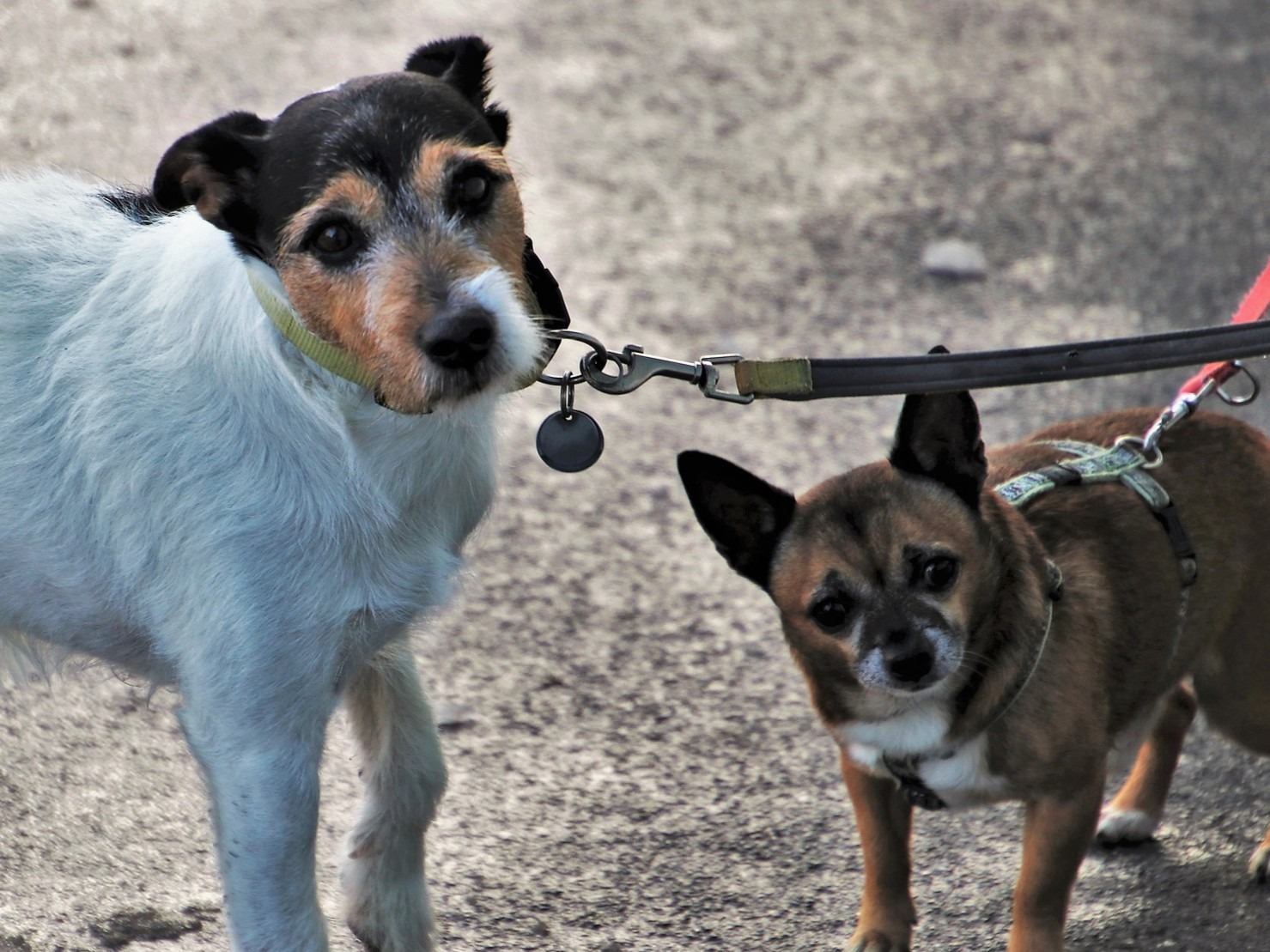
The slip lead, dating back 1000s of years, combines a collar and leash in a single piece, making it easy to use and adjust. Originally designed for quick application and removal, the slip lead is favoured by trainers for its simplicity and effectiveness in providing gentle control and guidance.
As a rule, gundogs working in dense undergrowth and woodland are not fitted with collars, for safety reasons: they can easily catch on branches or fences and injure themselves. So, the slip lead, slipping on and off easily, are the preference for handlers to control the dog whilst e.g. walking from shoot to shoot.
The operation of a slip lead is straightforward: the loop passes over the dog’s head and sits on his neck; it then tightens whenever tension is applied—whether by the handler or the dog—and relaxes again when the pulling stops.
With good training and guidance, the dog can quickly learn that he is in control of the pressure and, taught correctly, will find that not pulling against it is a far better option. However, the emphasis here is on the ‘good training’.
Slip leads frequently draw criticism, since improper use can injure a dog or promote fear-based behaviours. Continuous pressure or abrupt, forceful jerks can cause pain and undermine the dog’s trust. This is not what they are designed for, and it’s only those that use them harshly that cause the criticism. I wonder, though, how many people realise that this misuse can and does also happen with flat collars, harnesses, head halters etc.
You can stroll through any busy park and notice dogs wearing ill-fitting harnesses that can potentially lead to long-term harm, more so the front clip ones. Dogs with collars cinched too tightly also endure lasting damage, or head collars that press into the eye area or cause chafing or neck injuries. Yet because these devices are viewed as gentle by the Force Free advocates, so few people ever comment negatively.
I’ve come across many owners that believe a tight-fitting collar stops the dog from pulling back and escaping but never loosening it they don’t consider the long-term damage to the dog. Where a slip lead makes it difficult for a dog to escape, it will also loosen the moment the pulling stops: a positive reinforcement.
So, back to the ‘good training’. All these devices, including ecollars or prong collars, require a dog to be trained to them, to avoid pressure, to control the off switch. Slip leads are an efficient tool in training a dog, used proficiently, they can create control, calm, and offer clear communication. Good training, as with any tool, is essential to ensure they serve as an effective training aid. Learning how to use slip leads responsibly can strengthen the bond with your dog, not damage it. For owners, the only part they need to do is find a good trainer that will teach them how to use the slip lead correctly, and in no time, the pulling will stop.
Leave a Reply